




Koriandri: The 2025 Complete Guide to a Timeless Herb
Herbs have always been an important part of human life. From cooking to healing, from flavoring meals to supporting wellness, they carry with them centuries of tradition. Among them, koriandri stands out as a powerful and versatile herb loved all around the world. Known for its unique aroma and taste, koriandri is more than just a kitchen ingredient—it is a plant tied to culture, health, and everyday living. In this complete 2025 guide, we’ll explore what makes koriandri so special, its many benefits, and how we can use it in simple, practical ways.
What Exactly Is Koriandri?
Koriandri is another name for what many people recognize as coriander. This herb is celebrated worldwide for its fresh leaves and flavorful seeds. Some love its strong, citrusy taste, while others are fascinated by its wide variety of uses. In many parts of the world, koriandri is considered not only a spice but also a medicine. Its dual role in both kitchens and herbal traditions makes it one of the most talked-about herbs today.
The beauty of koriandri lies in its versatility. The green leaves, often called cilantro in some regions, are used to add freshness to salads, curries, and soups. The seeds, on the other hand, are dried and ground into spice blends, giving depth and warmth to countless dishes. It’s rare to find an herb that offers both leafy greens and dried seeds for such different yet complementary purposes.
The Global Love for Koriandri
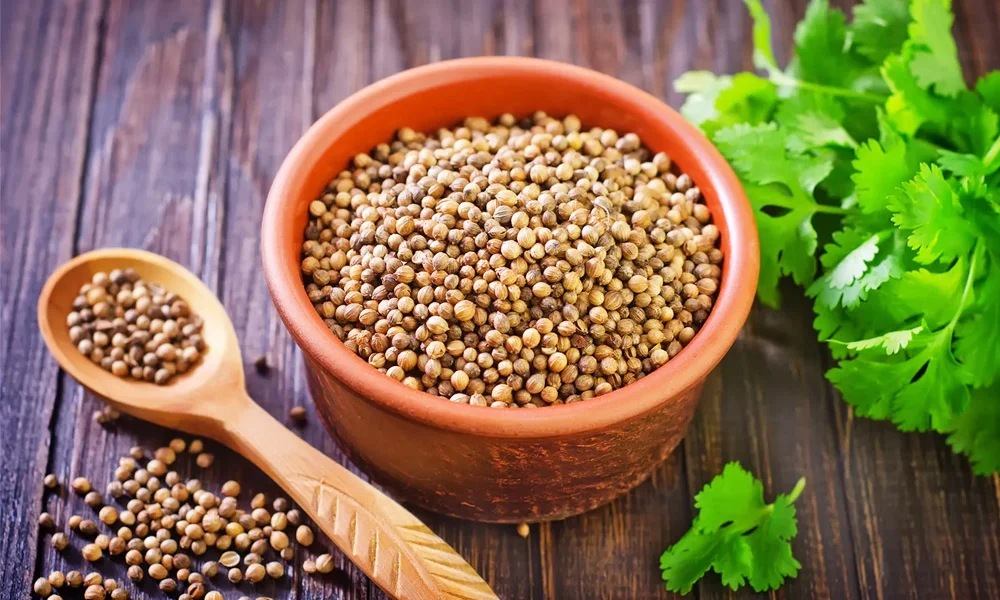
Few herbs can claim the worldwide fan base that koriandri enjoys. In Asian cuisine, it is found in chutneys, curries, and stir-fries. In Latin America, it flavors salsa, guacamole, and tacos. Middle Eastern dishes often use it for seasoning meats and stews. Even European chefs include it in sauces, marinades, and breads. No matter where you go, koriandri finds a place at the table.
Interestingly, koriandri is also one of those herbs people feel strongly about. Some absolutely love it, while others claim its taste reminds them of soap. This split opinion comes from genetics—certain people are more sensitive to its flavor compounds. But whether adored or debated, koriandri always sparks conversation, which makes it all the more fascinating.
Health Benefits of Koriandri
Beyond its taste and aroma, koriandri carries a reputation for being a health-boosting herb. For centuries, people have used it in traditional medicine, and modern wellness trends are bringing it back into the spotlight. Here are some of the most noted benefits of koriandri:
- Rich in nutrients. Koriandri leaves and seeds are packed with vitamins like vitamin C, vitamin K, and small amounts of vitamin A. They also provide minerals such as potassium, calcium, and magnesium.
- Supports digestion. Many people use koriandri seeds as a natural digestive aid. They are known to ease bloating, improve appetite, and support gut health.
- Antioxidant properties. The herb is loaded with antioxidants, which help the body fight oxidative stress and protect cells from damage.
- Blood sugar support. Some studies and traditional practices suggest koriandri may help regulate blood sugar levels, making it a helpful addition for those mindful of their diet.
- Detoxifying qualities. Koriandri is often praised for its ability to assist the body in cleansing toxins, particularly heavy metals.
- Heart health. With its potential to reduce cholesterol levels and improve circulation, koriandri has long been linked to cardiovascular support.
While scientific research continues to uncover more about its benefits, people across generations have trusted koriandri as both food and medicine.
Everyday Uses of Koriandri
One of the reasons koriandri remains so popular is how easy it is to use in daily life. It doesn’t take much effort to add it to meals, and a little goes a long way in boosting both flavor and nutrition.
- Cooking with the leaves. Fresh koriandri leaves are perfect as a garnish or mixed into salads. Adding them at the end of cooking ensures their bright flavor is preserved.
- Cooking with the seeds. Whole or ground koriandri seeds are excellent for curries, soups, and spice rubs. They add warmth and a slightly nutty flavor.
- Beverages. In many cultures, koriandri seeds are boiled in water to make a soothing tea believed to calm the stomach.
- Homemade remedies. People often prepare simple home remedies with koriandri for colds, fevers, or stomach discomfort.
- Fresh juices and smoothies. Adding a few koriandri leaves to juices gives them a fresh twist and adds extra nutrients.
It’s clear that koriandri is not limited to gourmet dishes—it fits seamlessly into everyday cooking and home health routines.
Koriandri and Cultural Connections
Beyond the kitchen, koriandri carries deep cultural importance. In Indian traditions, it is a common offering in temples and a symbol of freshness. In Mediterranean regions, it has long been used as both a food and a medicine. In Mexico, it is almost impossible to imagine salsa without koriandri leaves. Even in ancient texts, coriander (koriandri) was mentioned as a valuable herb for its flavor and healing qualities. This cultural legacy keeps it alive as more than just an ingredient—it’s part of identity and tradition.
Growing Koriandri at Home
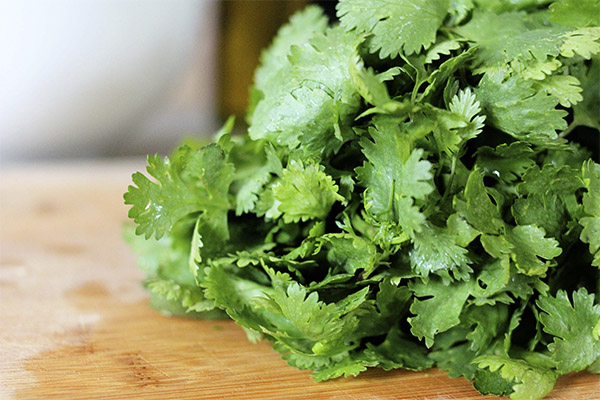
One of the great things about koriandri is that it is easy to grow. Whether you live in a big house with a garden or a small apartment with a balcony, koriandri can thrive in a pot or small patch of soil. All it needs is sunlight, moderate water, and good soil. The leaves can be harvested as needed, and if left to flower, the plant produces seeds that can be collected, dried, and used later. Growing koriandri at home not only ensures a fresh supply but also deepens your appreciation for the herb itself.
Koriandri in Modern Wellness Trends
With the rise of wellness culture in 2025, koriandri has found a new spotlight. Smoothie shops, health bloggers, and natural remedy enthusiasts often highlight it as a “super herb.” Detox waters, herbal supplements, and organic recipes frequently include koriandri for its holistic benefits. Its reputation as both a flavorful and functional herb makes it a perfect fit for people looking to balance taste with health.
Interestingly, the popularity of koriandri is also linked to sustainability trends. As people seek out fresh, locally grown herbs, koriandri remains one of the most accessible choices. It grows quickly, requires little maintenance, and offers both leaves and seeds, making it resource-efficient.
Fun Facts About Koriandri
To appreciate koriandri even more, here are a few lighthearted facts:
- Koriandri is one of the oldest herbs used by humans, with history dating back thousands of years.
- Ancient Egyptians believed it symbolized eternal love and included it in burial offerings.
- Some cultures view koriandri as an herb that brings luck and prosperity.
- While many people adore its taste, a small percentage of the population experiences it differently due to genetics, often describing the flavor as “soapy.”
These fun details show that koriandri is not just about health or food—it’s part of human stories across generations.
Why Koriandri Will Remain Timeless
Herbs come and go in popularity, but some always remain relevant. Koriandri is one of those timeless herbs. Its balance of flavor, cultural importance, and health benefits ensures it will stay in kitchens and wellness practices for years to come. As we move further into 2025 and beyond, koriandri continues to represent a bridge between tradition and modern living. It’s not just about what it adds to our meals but also what it adds to our lives: nourishment, healing, and connection.
Final Thoughts on Koriandri
When we think about koriandri, we see more than just a plant. It is a herb that connects people, cultures, and traditions across the globe. From the farmer who grows it, to the chef who cooks with it, to the family that enjoys its taste at the dinner table—koriandri touches lives in countless ways. Its health benefits, cultural stories, and simple presence in daily life make it a true gift of nature.
Whether you’re adding it to a curry, sipping it as tea, or using it in a fresh salsa, koriandri has a way of enhancing both flavor and wellness. As this 2025 guide has shown, koriandri is not just an herb—it is a lifestyle companion that continues to inspire and nourish people everywhere.